Source Name Necklaces for Fashion, Gifts, and Promotions
Explore 30 name necklace options crafted from sterling silver, alloy, and other materials. Compare customization features, plating styles, and pendant shapes to find the perfect accessory for fashion, gifts, and promotional needs; compare the available evidence and request quotations based on your requirements.
Key considerations
Products List


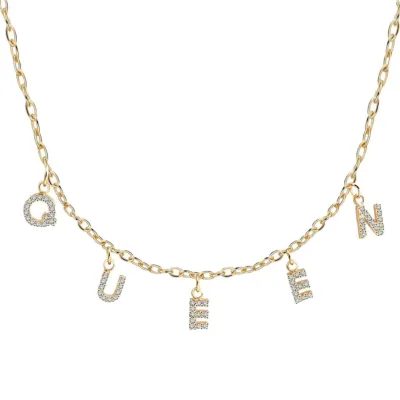


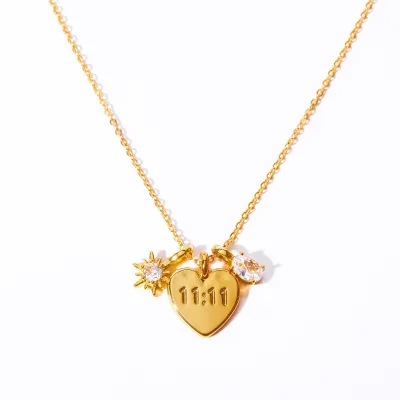
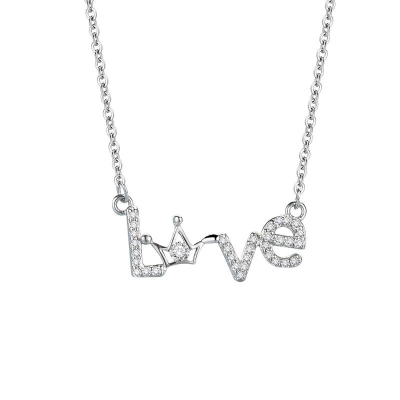


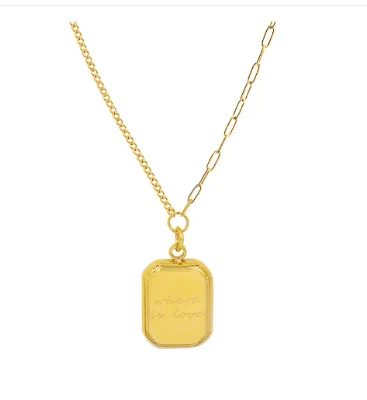

Comprehensive Sourcing Guide
Name Necklace Sourcing Guide
The name necklace market features diverse configurations ranging from 925 sterling silver to promotional alloy options, catering to both adult and children demographics. Buyers must distinguish between fashion-forward designs and luxury styles, as the observed product range includes square, star, heart, and cross pendant shapes alongside customizable lettering options. Understanding these material and stylistic variations is critical before initiating contact with potential vendors, as the intended recipient—whether female, male, or child—directly influences the appropriate material selection and plating finish.
Procurement strategies should account for the significant variance in customization capabilities observed across listings, where some suppliers offer OEM services while others provide standard packaging. The availability of customized logos and sizes suggests a flexible supply chain, yet buyers must verify if the specific model, such as the Double Ring Heart Necklace or specific alloy variants, meets their branding requirements. Establishing clear expectations regarding the final product's aesthetic, such as gold or rhodium plating, ensures that the selected supplier can deliver the precise visual identity required for the target market segment.
Product Scope and Observed Listing Signals
Buyers should analyze the observed price range of 0.1 to 161.48 USD to understand the correlation between material quality and cost, noting that sterling silver items typically command higher prices than alloy alternatives. The listing signals indicate a broad spectrum of products, from simple promotional alloy necklaces to intricate handmade pieces with specific length specifications like 45cm or 18 inches. This price disparity necessitates a clear definition of the target budget and quality tier, as the lowest price points often correspond to basic alloy materials with standard plating rather than premium 925 sterling silver constructions.
The observed minimum order quantities (MOQ) ranging from 1 to 1000 pieces reveal a supply chain capable of supporting both small trial orders and large-scale commercial distribution. Suppliers with an MOQ of 500 pieces often focus on bulk promotional items, whereas those accepting single units may cater to boutique or custom design needs. Procurement teams must align their order volume with the supplier's capacity, ensuring that the chosen vendor can accommodate the specific quantity requirements without compromising on the customization of shapes, colors, or plating finishes like silver or gold.
Technical Specifications to Verify
Verification of material composition is paramount, as the market offers distinct options including 925 sterling silver, 95% silver, and various alloy compositions. Buyers must explicitly confirm the alloy type and plating thickness, as specifications like 0.78mm to 3.0mm indicate potential variations in durability and finish quality. It is essential to request detailed material certificates for silver items to ensure authenticity, while alloy products should be scrutinized for lead and nickel content to meet safety standards, particularly for jewelry intended for children or sensitive skin.
Dimensional accuracy and structural integrity require strict validation against the provided specifications, such as the 45cm length or 95*46cm size standards observed in certain listings. The pendant shape, whether square, star, or heart, must be verified against the physical sample to ensure it matches the design intent, especially for customized models like the BK00020 or AS20N1351A. Additionally, the technical details regarding the plating process, including rhodium or gold finishes, should be confirmed to guarantee color consistency and resistance to tarnishing over the product's lifecycle.
Compliance and Safety Documentation
Safety compliance is a non-negotiable aspect of sourcing name necklaces, particularly when the product is suitable for children or involves metal alloys that may trigger allergic reactions. Buyers must request documentation proving that the materials meet international safety standards for jewelry, ensuring that no harmful substances are present in the alloy or plating layers. This verification is crucial for products marketed to minors, where regulatory bodies often enforce stricter limits on heavy metals and chemical composition compared to adult-oriented fashion jewelry.
Documentation regarding the origin of the product, specifically from regions like Guangdong China, should be cross-referenced with import regulations in the destination market. While specific certification names were not provided in the source data, buyers should insist on proof of compliance with relevant regional standards, such as REACH or CPSIA, depending on the target sales territory. Ensuring that the supplier can provide these documents prevents potential customs delays and protects the brand from liability associated with non-compliant products entering the market.
Cost Drivers and Commercial Terms
The primary cost drivers in this category include the raw material price of 925 sterling silver versus alloy, the complexity of the plating process, and the extent of customization required for logos or shapes. Buyers should anticipate that handmade techniques and specific model designs, such as the Lace Dress Doll Necklace, will incur higher labor costs compared to mass-produced alloy items. Understanding these cost components allows for more accurate budgeting and helps in negotiating better terms with suppliers who may offer volume discounts on standard models versus bespoke designs.
Commercial terms regarding packaging and shipping must be clearly defined, as observed variations include 1PC/Bag, paper card/polybag, or box packaging. The choice of packaging affects the final landed cost and the perceived value of the product, with box packaging typically adding to the unit price but offering better protection for luxury items. Procurement teams should negotiate clear terms for lead times and shipping methods, ensuring that the supplier can meet delivery schedules while maintaining the integrity of the product during transit, especially for fragile or plated items.
Supplier Qualification and Quality Control
Supplier qualification should focus on their ability to handle OEM orders and their track record with customized production models like the CG20N2486A or Double Ring Heart Necklace. Buyers must assess the supplier's capacity to maintain consistency across large batches, particularly when dealing with complex plating processes or specific pendant shapes. A robust quality control system is essential to ensure that every unit meets the agreed-upon specifications for material, size, and finish, minimizing the risk of receiving substandard goods that could damage the buyer's brand reputation.
Quality control protocols should include pre-shipment inspections that verify the physical attributes of the necklace, such as the length, pendant shape, and plating quality. Buyers should require a sample approval process before full production begins to confirm that the customization, including logo placement and color options, aligns with the design brief. Establishing a clear communication channel for addressing defects or deviations ensures that any issues are resolved promptly, maintaining the high standards expected in the fashion and luxury jewelry sectors.
Long-Term Procurement Checks
Establishing a long-term partnership requires regular performance reviews to ensure the supplier consistently meets quality and delivery expectations over time. Buyers should monitor the supplier's ability to maintain material consistency, particularly for silver and alloy products, as fluctuations in raw material quality can impact the final product's appearance and durability. Continuous feedback loops regarding customer satisfaction and product performance help identify areas for improvement and ensure that the supply chain remains agile and responsive to market changes.
Strategic procurement checks should also include evaluating the supplier's adaptability to new design trends and customization requests, such as evolving lettering styles or new pendant shapes. As the market shifts, the ability to quickly source new models like the Lace Dress Doll Necklace or update existing lines with new plating options becomes a competitive advantage. Maintaining a diverse supplier base and regularly auditing their capabilities ensures that the buyer can scale operations effectively while mitigating risks associated with supply chain disruptions or single-source dependencies.
FAQs
What materials are used for name necklaces?
Name necklaces are crafted from 925 sterling silver or alloy materials. Sterling silver options often feature gold, silver, or rhodium plating for durability and shine. Alloy versions provide a cost-effective alternative for promotional use. Buyers can select the material that best fits their budget and aesthetic requirements for the final product.
Can I customize the logo on name necklaces?
Yes, customization is available for name necklaces. Buyers can request customized logos and specific letter counts, such as 1-3 or 4-6 letters. OEM orders are accepted, allowing for personalized branding. This service supports unique designs, ensuring the final product aligns with specific marketing or personalization goals for the target audience.
What is the MOQ for name necklace orders?
The minimum order quantity varies by product type. Some items require an MOQ of 500 pieces, while others may start at 1 piece. Buyers should check specific product models for exact requirements. Flexible MOQs allow small businesses to test markets, while larger orders benefit from established manufacturing capacities and consistent quality control processes.
Which plating options are available for name necklaces?
Name necklaces offer various plating options including gold, silver, and rhodium. These finishes enhance the visual appeal and corrosion resistance of the jewelry. The choice of plating depends on the base material, such as sterling silver or alloy. Buyers can select the finish that complements their design preferences and target customer demographics effectively.
How are name necklaces packaged for shipment?
Packaging methods include individual polybags, paper cards, boxes, or cartons. Specific items may come in 1PC/bag or box formats. Bulk shipments are often packed in cartons for efficiency. Buyers can choose packaging that protects the product during transit while meeting their retail presentation needs, ensuring the jewelry arrives in pristine condition for end consumers.
What sizes are available for name necklaces?
Standard lengths include 16, 18, and 20 inches, with some models offering customized sizes. Chain thickness standards range from 0.78mm to 3.0mm. Buyers can select the length that suits their design or request custom dimensions. This flexibility ensures the necklace fits various styles and customer preferences, from delicate chains to bold statement pieces.